

Women's History Month: Celebrating women leaders in the life sciences
As North Carolina’s life sciences sector continues to grow, women are playing a central role in shaping its future. Across startups, pharmaceutical companies and economic development organizations, women launch companies, lead the manufacturing of new medicines and attract new companies to North Carolina — shaping North Carolina’s life sciences ecosystem at every level.
In celebration of Women’s Month, we’re highlighting women leaders who are helping advance the state’s life sciences ecosystem. We asked them to share advice and insights for other women aspiring to succeed in the industry.
Find a supportive community
Jessica Bridges Weaver is the scientific officer at Durham-based BioAgilytix, a contract research organization that provides bioanalytical testing and development support for pharmaceutical and biotech partners worldwide.
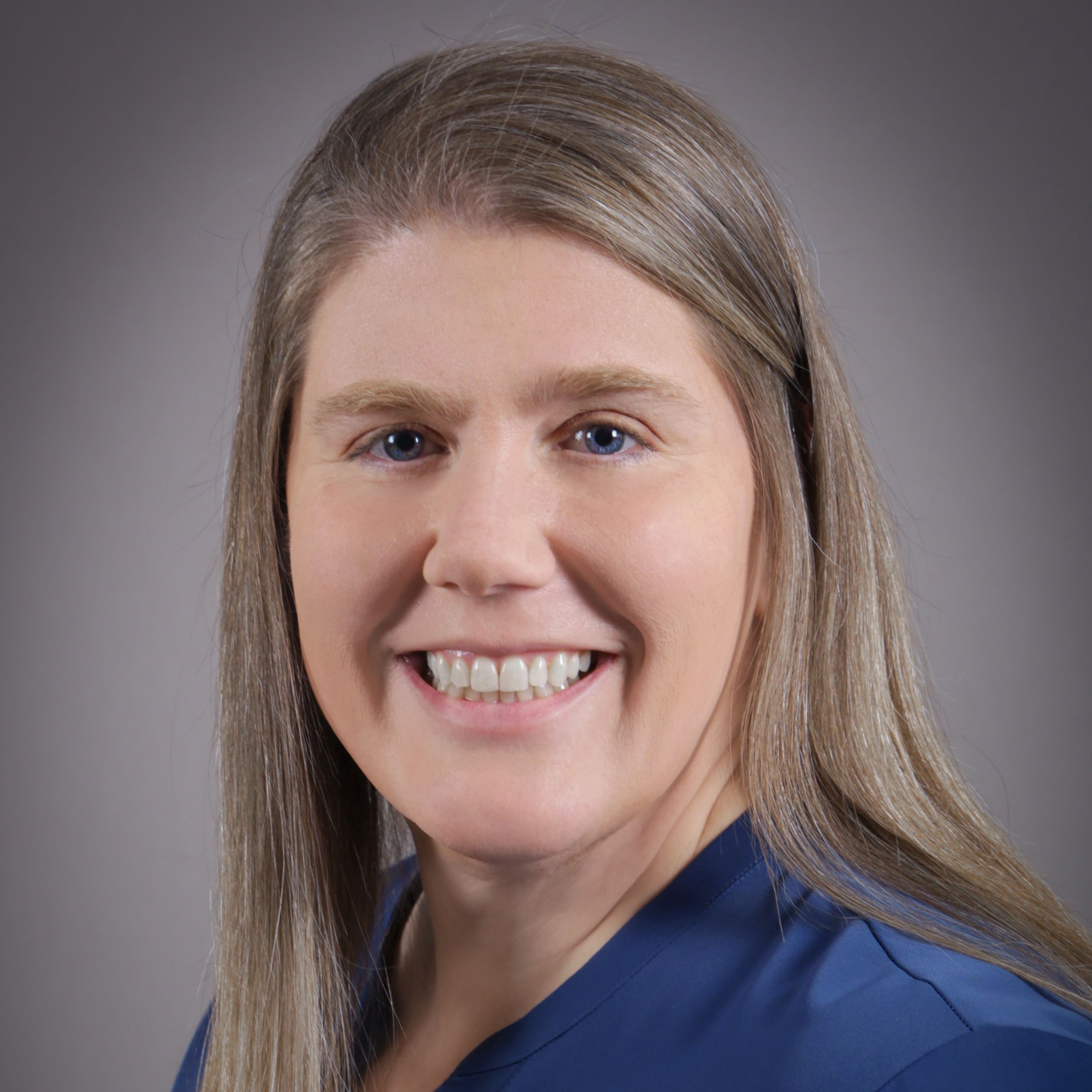
“I believe success is built on work ethic and community,” Weaver said. “In the 1990s, I was told this wasn’t an industry designed for women engineers, but I chose to lean in; learning from strong leaders that came before me, identifying and filling gaps and letting results speak for themselves.”
Weaver, who completed a B.S. in Biological Engineering and a Master’s in Fermentation at North Carolina State University, has more than 18 years of expertise in pharmaceutical development.
“I’ve learned that no one succeeds alone; surrounding yourself with a supportive community is what turns individual effort into lasting impact,” she adds. “To the women coming up behind me: Your perspective is needed here. Stay rooted in the science, surround yourself with people who lift you up, and trust that consistent, meaningful work will open doors for you and, more importantly, for those who follow.”
Focus on a 10-year goal
Jennifer J. Lantz is the executive director of the Wilson Economic Development Council.
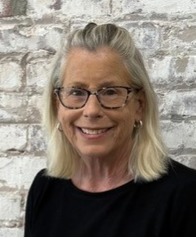
Since 1989, she has guided economic development in Wilson, helping attract life sciences investment that has created more than 1,900 jobs while expanding workforce training to support the region’s growing biomanufacturing subsector.
“For women hoping to make an impact in biotech and stay on the cutting edge of industry, I’d say listen to life-sciences companies, watch how the FDA is evolving, and keep a 10-year goal in mind,” said Lantz.
“This will help you identify opportunities and guide meaningful contributions across the life-sciences ecosystem.”
Learning from challenges
Rosa Manso is the site head at Eli Lilly’s Concord facility, a cutting-edge biomanufacturing site that opened in June 2024. More than 900 people are now employed at the facility, which uses advanced automation and flexible manufacturing to produce injectable products and devices.

“Some of the most pivotal moments in my career came not from smooth sailing, but from the hardest challenges — the moments that didn't go as planned, the roles that stretched me far beyond my comfort zone,” said Manso.
“What I walked away with from those experiences was far more valuable than the outcome,” she said. “And through all of it, I've come to believe deeply in lifting others as you climb — actively investing in the women coming up behind you.”
Lilly’s Concord facility is on the site of a former Philip Morris tobacco facility, turning a historic manufacturing site into a modern pharmaceutical campus. The facility represents a more than $2 billion investment from the company.
Build your network
Toni Riggin Bucci, Ph.D., is the CEO and president of Sable Fermentation Inc., a pilot biomanufacturing facility in Wake Forest designed to scale precision fermentation from lab to commercial levels.

“I have found that success in biotech depends on building and nurturing strong networks across universities, community colleges, startups, established companies and the public sector,” said Bucci. “Building a strong network creates opportunities to collaborate with others whose strengths complement yours and help move your own research forward faster.”
She emphasizes that resilience is essential because setbacks are part of the process. She also says that it is critical to remain persistent while also preparing alternative pathways in case a pivot becomes necessary.
“There is absolutely a place, and a need for, for women in this industry,” said Bucci. “It is important to be authentic and confident in who you are, because the industry is still in its infancy, and science is evolving so rapidly that we have the opportunity to shape the culture alongside the technology.”
Focus on problem-solving
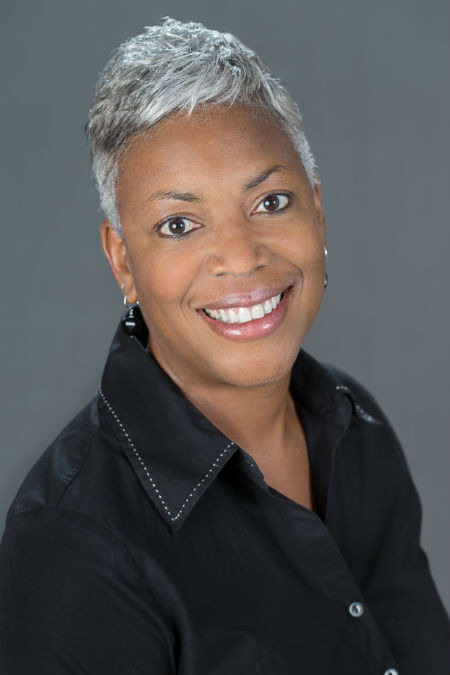
Karen LeVert is managing partner at LeVert Ventures, which invests in early-stage AgTech startups across animal tech, controlled environment agriculture, precision ag and biological crop protection.
LeVert founded Southeast TechInventures and later AgTechInventures, accelerators that licensed and commercialized university technologies, spinning off multiple companies, including Lindy Biosciences.
“I feel the biggest impacts are not made by having that as a specific goal,” she said. “Rather, the biggest impacts are made by having a goal of solving real problems — closing gaps while working in partnership with others that are motivated similarly. You can’t go wrong in having this attitude as your north star.”