

UNC-led trial finds liver-targeted insulin may reduce hypoglycemia risk
People living with type 1 diabetes walk a delicate line between taking enough insulin to control blood sugar and taking too much, which can cause dangerously low blood sugar, or hypoglycemia. An investigational liver-targeted insulin called HDV Lispro (HDV-LIS) could make day-to-day blood sugar management easier and safer.
Results from a Phase 2b clinical study of HDV-LIS, called OPTI-2, led by University of North Carolina School of Medicine researchers in collaboration with Diasome Pharmaceuticals Inc., showed that the liver-targeted insulin maintained the same blood glucose control as standard insulin while reducing the risk of hypoglycemia.
“In OPTI-2, we see potential to decouple glycemic control from hypoglycemia risk. People randomized to HDV-LIS met similar A1C targets but experienced fewer hypoglycemic events and no severe hypoglycemic events,” said Klara Klein, M.D., PhD, assistant professor of medicine, UNC School of Medicine, and principal investigator in the trial. “If confirmed in larger studies, this could allow people living with T1D to achieve glycemic targets with less concern about clinically meaningful hypoglycemia.”
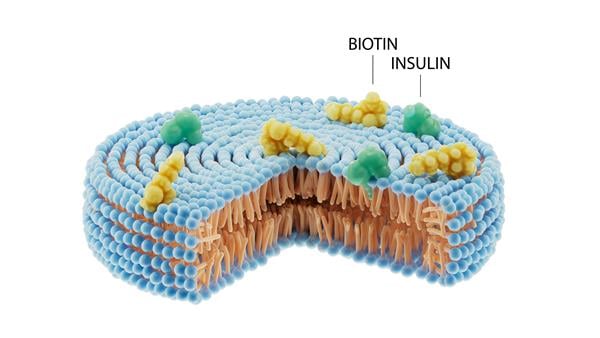
Delivering insulin to the liver
HDV Lispro uses a hepatocyte-directed vesicle that binds standard insulin lispro (LIS) and preferentially directs it to liver cell receptors. This increases insulin delivery to the liver, which helps restore physiologic glucose regulation at mealtime and can potentially reduce the frequency and severity of hypoglycemia.
The OPTI-2 study is a 25-week, double-blind, randomized controlled trial comparing HDV-LIS with standard insulin lispro in 226 adults with type 1 diabetes. Results reported at the American Diabetes Association (ADA) 86th Scientific Sessions showed that people taking HDV-LIS had fewer low blood sugar episodes during the study. Also, no severe low blood sugar events occurred in the HDV-LIS group, compared with five in the group taking standard insulin lispro.
“If these findings are confirmed, HDV-Lispro could allow people living with type 1 diabetes to achieve the tight control needed to reduce long-term complications without as much fear of acute, severe and life-threatening hypoglycemia,” said Klein. “Reducing hypoglycemia while maintaining glycemic control would be a major advance in diabetes care.”