

$1.5M grant expands biotech training capacity at Johnston Community College
The Golden LEAF Foundation has provided $1.5 million to the Johnston County Industrial Development Corporation to expand and modernize the Johnston Community College (JCC) Workforce Development Center (WDC), increasing biotech training capacity and supporting new programs and industry needs.
The grant will support an estimated 12,000-square-foot expansion of the WDC, which is located in Clayton. This additional space will allow the school to serve an estimated 750 more learners each year in its biotechnology programs and short-term courses.
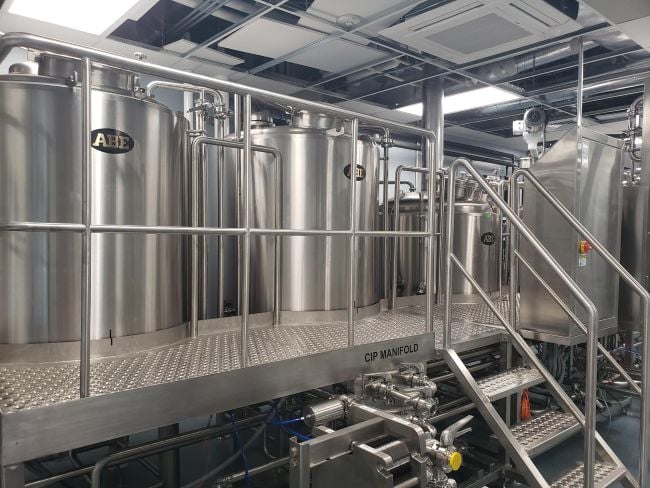
The expansion helps address statewide training bottlenecks and will support courses, such as good manufacturing practices (GMP) and quality systems, aseptic processing and fill-finish operations, automation and robotics, validation, regulatory compliance, and data integrity.
“The Johnston County region is experiencing rapid growth in biopharma, gene therapy and advanced manufacturing, with projected workforce demand far exceeding current training capacity,” said Danielle Kroeger, associate vice president of workforce development and biotechnology at JCC. “By expanding the WDC, JCC will serve as a critical pipeline for skilled talent, ensuring companies have access to trained workers without delays.”
Partnerships and biotech workforce strategy
The WDC grew out of JCC’s highly successful public-private framework. It is owned and led by the Johnston County Industrial Development Corporation, with JCC delivering the biotech training programs inside the facility. Kroeger says that this partnership allows economic development, education and industry to operate as a unified system, ensuring that workforce training is not only responsive but also proactive in meeting the needs of the rapidly growing biotechnology sector.
“Partnerships with local government and the Johnston County Industrial Development Corporation are key to ensuring alignment between economic development goals and workforce training capacity, creating a coordinated approach to regional growth,” added Kroeger.
JCC also works closely with major employers such as Novo Nordisk and Grifols, which use the WDC for onboarding and upskilling. These employers help the school identify workforce needs, ensuring that the curriculum stays aligned with real-time industry demand.
The school also co-develops training programs tied to job creation and expansion commitments through NC Edge Customized Training.
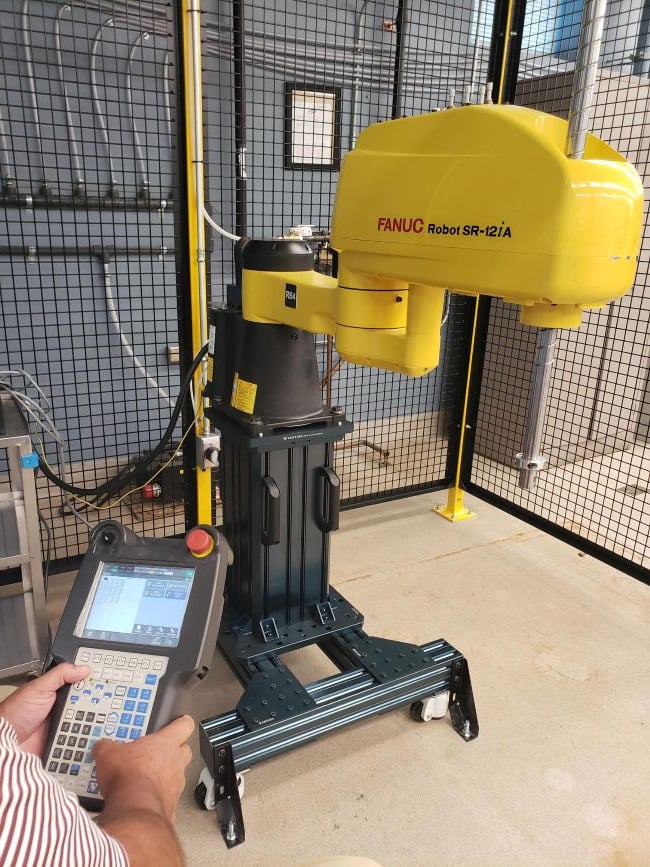
Training tomorrow’s life sciences workforce
JCC continues to expand its biotechnology and workforce development programs. Enrollment in the school’s BioWork program has more than doubled in the past two years, now serving over 300 students annually.
The school is also expanding high school career and technical education pathways, including BioWork, in traditional, private and charter schools.
“The Workforce Development Center expansion is more than a construction project — it is a regional commitment to the future of work,” said Kroeger. “With Golden LEAF’s support, Johnston County will enhance its ability to train a highly skilled, homegrown workforce; support industry competitiveness; and sustain economic vitality for decades to come.”
Other Golden LEAF funding
A recent round of Golden LEAF Foundation funding also included:
- $585,000 to Wilson Community College in Wilson County to support personnel, a hydroponics lab, an irrigation system, technology equipment and related items for the new Agribusiness Technology program.
- $2,500,000 to Central Carolina Community College serving Chatham, Harnett, and Lee counties to renovate and equip a manufacturing and biotech training center serving regional workforce needs (read more here).
Most recently, Golden LEAF awarded $1,492,520 to the Wilson Economic Development Council in Wilson County to construct sewer infrastructure supporting Johnson & Johnson’s expansion and job creation at Wilson Corporate Park. With this expansion, the company will create 320 additional jobs paying an average annual wage of $116,529 and make an additional capital investment of slightly over $1 billion.