
Advice for getting hired in biopharma manufacturing
With life sciences employment in North Carolina at 76,000 workers and growing, employers are eager to find the best talent. That means there are plenty of opportunities for job seekers. But how do job candidates stand out from the competition?
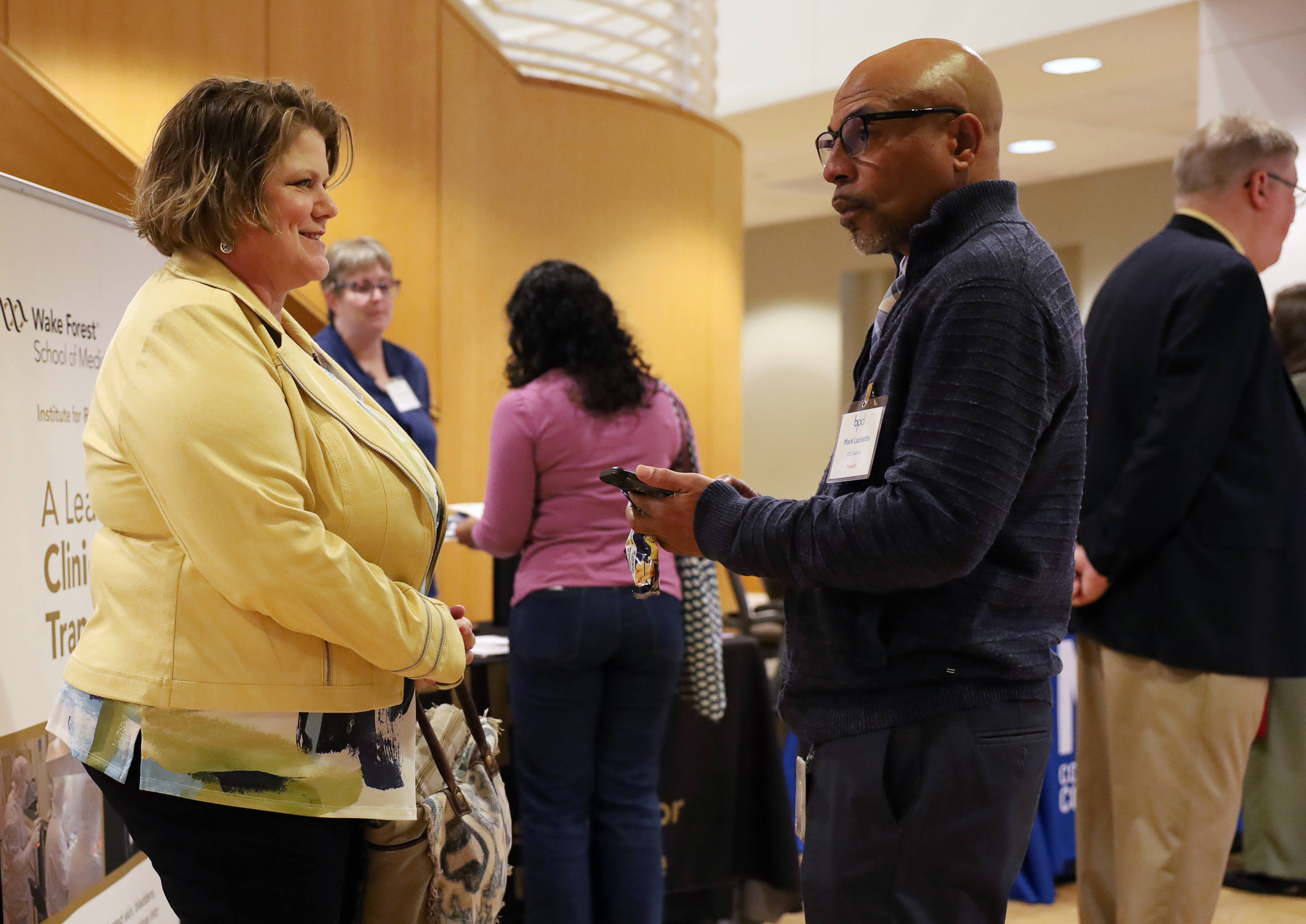
At the Biomanufacturing and Process Development group’s 2026 BioGrow event, held on Feb. 12, 2026, attendees learned what it takes to get hired from both recent hires who launched their careers in biopharma manufacturing and from hiring managers. The event also provided a networking opportunity for job seekers to meet with representatives from community colleges and training institutions, as well as student ambassadors and industry professionals.
Building relationships and demonstrating enthusiasm
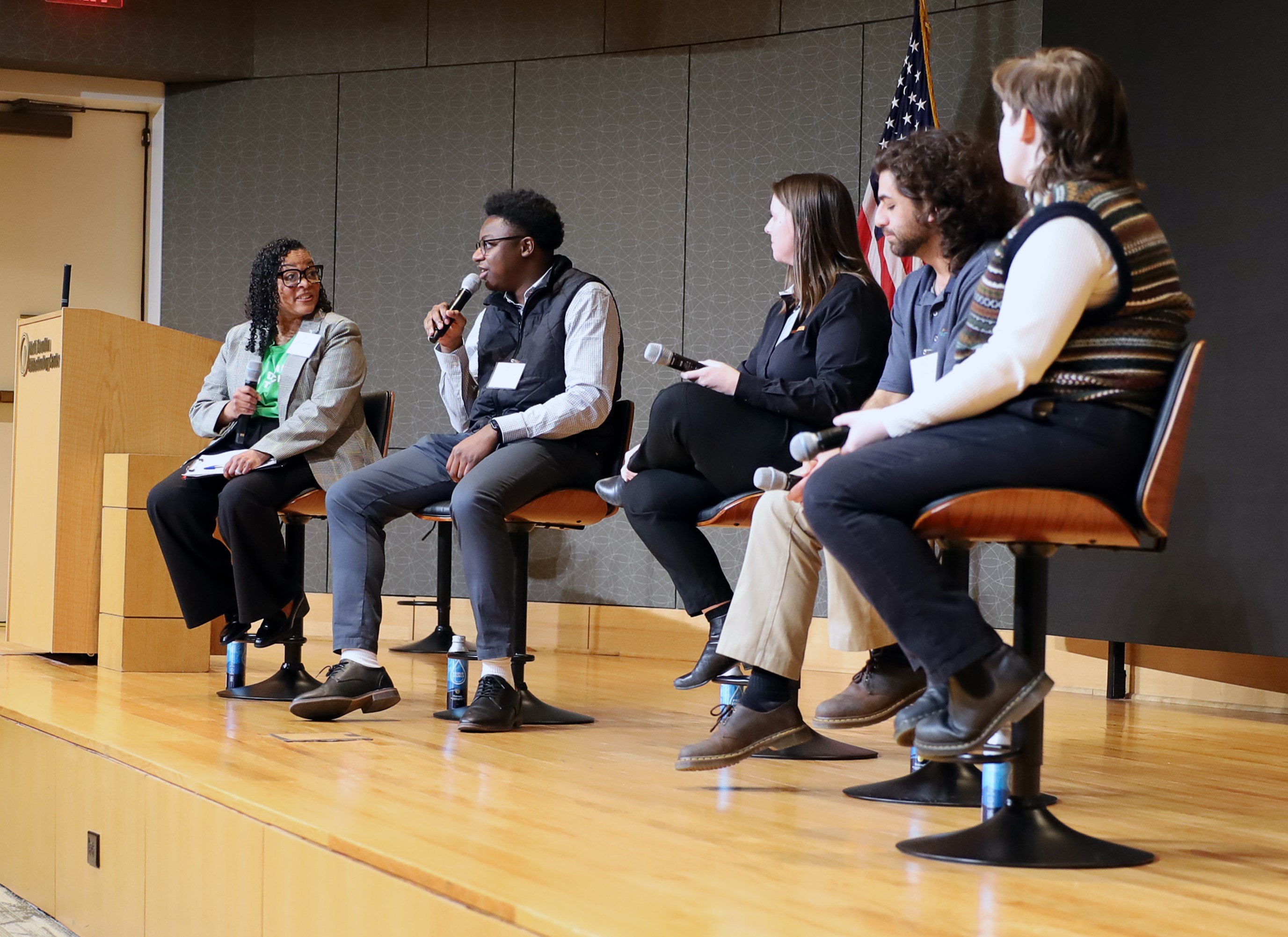
During the employee panel discussion, panelists emphasized the importance of building relationships, showcasing transferable skills, and committing to continual learning. Key takeaways for job seekers from the employee panelists included:
- Grow your network: Attend career fairs, find mentors, and proactively contact hiring managers, even when they aren’t actively hiring
- Show enthusiasm: Demonstrate genuine excitement about the role and company culture
- Start where you can: Accept entry-level operator and technician roles, which can open doors to future opportunities
The power of networking and persistence
Having the required education is essential to getting hired, but networking and persistence are often differentiators that set some job seekers apart from the competition. Recent graduates unanimously credited proactively networking, attending career fairs, and obtaining internships as critical to landing their first full-time role.
“There will be a lot of career fairs that you can attend. But you must put the work in and sell yourself while you’re there,” said David Chukwu, manufacturing associate II at FUJIFILM Biotechnologies. “Even though hiring managers weren’t looking for interns at that time, I contacted them, and they took note that I was proactive. That helped me land at FUJIFILM Biotechnologies.”
Abigail Smith, calibration technician II at CSL Seqirus, found her maintenance apprenticeship at a career fair. “When you’re enthusiastic about something, hiring managers know that you’re going to work hard in that role,” she explained. “My enthusiasm led to an interview the same week as the career fair and a job offer the following week.”
The importance of cross-functional learning
Both graduates and employers stressed the importance of understanding the contributions of other departments.
“Don’t become too insulated in the specific field or discipline that your first role is in, especially in a startup environment,” said Haroon Dar, associate process consultant at Novo Nordisk Engineering. “Work is a nonstop dance between so many different departments, including operations, engineering, maintenance, regulatory, and quality assurance.”
“I was hired in one department, but ended up working with so many different departments,” said David. “By being open and interacting with the other departments, I’ve learned a lot.”
Employers seek candidates with soft skills and a thirst for knowledge
During the employer panel discussion, hiring managers revealed the skills, behaviors, and mindset that set candidates apart. While technical competence and education matter, hiring managers said they are looking for something more: soft skills, adaptability, and the ability to learn continuously. Key takeaways from the employer panelists included:
Tailor your resume to each role: Incorporate keywords from the job description and emphasize key skills at the top of a resume
Demonstrate problem-solving: Show accountability and provide examples of accomplishing tasks independently
Express your curiosity: Provide examples of how you sought training opportunities, ask questions, and learned from others
Biopharma manufacturing employers value transferable skills
Hiring manager Luc Larson, process engineer II at Novonesis, encouraged candidates to think creatively about their past work experience.
“If you don’t meet all the qualifications when applying for a job, try to think outside the box. Highlight examples from a different job, distill that into different skills you possess, and then reframe it in a way that makes sense for the role for which you are applying.”
Opportunities for continuous learning
In the biomanufacturing sector, education doesn’t end after landing a full-time role—it accelerates. To demonstrate that you’re a lifelong learner, consider participating in continuing education courses.
For example, NC State’s Biomanufacturing Training and Education Center offers self-paced online courses and short-form content. The short-form content includes text, videos, animations, and other visuals, covering upstream and downstream bioprocessing, analytical methods, and more.
Beyond online courses and certifications, hiring managers stressed the value of continuous learning through internal networks. Recent hires can expand their knowledge base by contacting subject matter experts within their organization to learn about different roles and processes.
“Talk to someone who’s been in the [biopharma] industry for 15 years, and they’re still learning,” explained Maggie Churchill, manufacturing manager at Kyowa Kirin North America. “Everyone must continue learning, because processes change and digital systems are continually being updated.”