
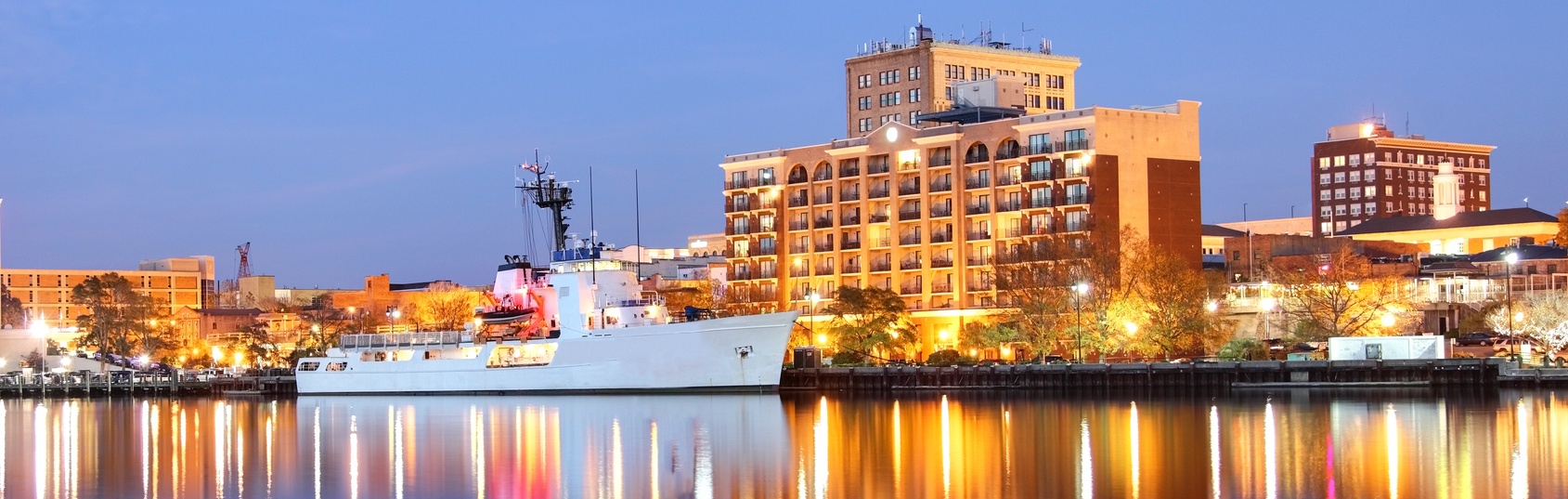
Life Sciences in Southeastern North Carolina
Many people know southeastern North Carolina for its gorgeous ocean surf, culture and abundant recreational activities.
The region is also home to an impressive clinical development and testing cluster, strong assets for marine biotechnology commercialization, and significant industrial biotechnology opportunities.
Wilmington-based PPD, part of Thermo Fisher Scientific, anchors an impressive regional cluster of more than 60 CROs and 100+ support companies. The roster ranges from small entrepreneurial ventures to large multi-national corporate leaders. Major CROs in this region include Alcami, Amyris, Fortrea, IQVIA, IQVIA Biotech, Syneos Health and Quality Chemical Laboratories.
Marine Biotechnology in North Carolina (MARBIONC), in Wilmington, drives technology commercialization in partnership with numerous universities. Unique ideas have emerged for developing this sector in this region.
And the biorenewables and bioenergy industries are expanding here with local companies, such as OptimaKV, an organization that converts waste to useful products.
The Southeastern Office leads economic development efforts to strengthen and grow these organizations as well as other biotech subsectors throughout the region.
Life Sciences Assets
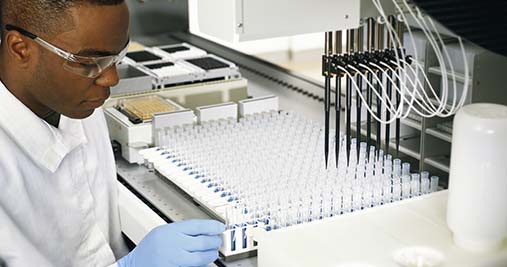
Powering the head-turning life sciences activity in the marine, agricultural, clinical research, bioenergy, pharmaceutical, and military sectors are dozens of life sciences companies with more than 130 service and support companies. The port of Wilmington has 100-million-square-feet of cold storage, an important part of the supply chain for shipping human therapeutics to the global marketplace. These businesses may look for new sources of energy or fuel, derived from biomass production and from waste streams of industrial, agricultural, marine, and municipal processes. This office works to tailor North Carolina’s formula for life sciences success – collaboration – to meet the unique requirements of the Southeastern Region.

Community
NCBiotech stands ready to help life sciences professionals maintain vital networking activity, bringing together partners from key disciplines to enrich both work and social life. Our groups include the Coast Clinical Research Initiative, whose impact has extended into workforce training with the help of the University of North Carolina at Wilmington and a Duke Energy Foundation grant. These and other activities in the region are guided by an advisory committee.
Workforce Training
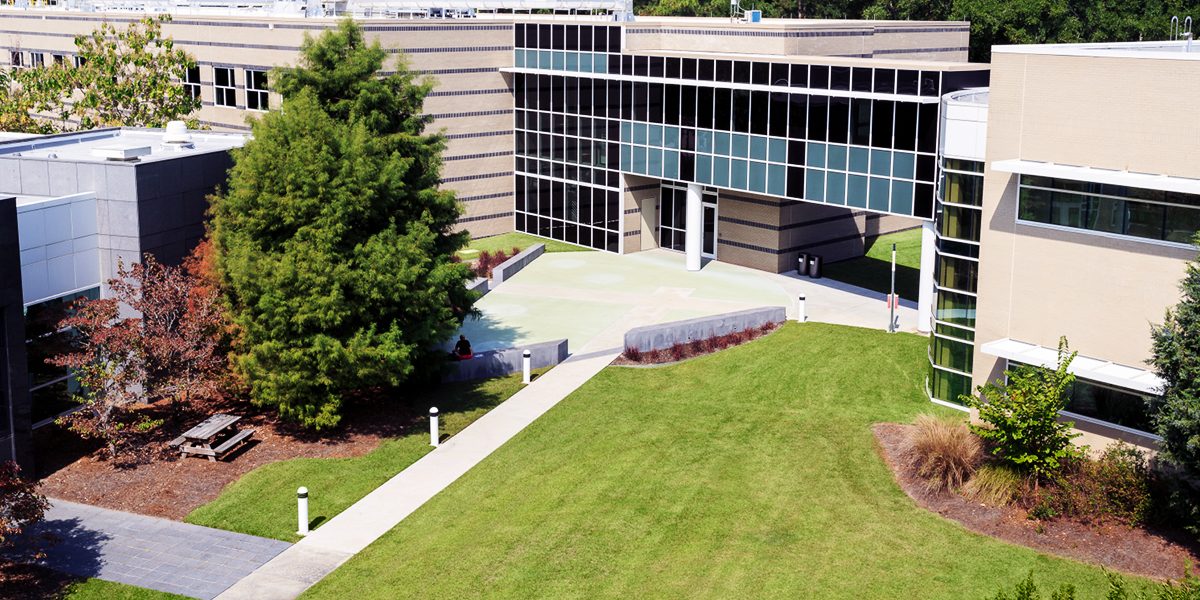
Training at the region's 15 colleges and universities includes some of the top marine science programs. The region’s academic flagship, the University of North Carolina Wilmington, graduates biology, biochemistry, chemistry and marine-science specialists. Biotechnology graduates also come from Fayetteville State University and the Biotech Training and Research Center at the University of North Carolina at Pembroke. North Carolina's 58 community colleges are building our workforce with specialized life sciences skills taught at Brunswick Community College, Cape Fear Community College, Robeson Community College and Southeastern Community College.
Resources
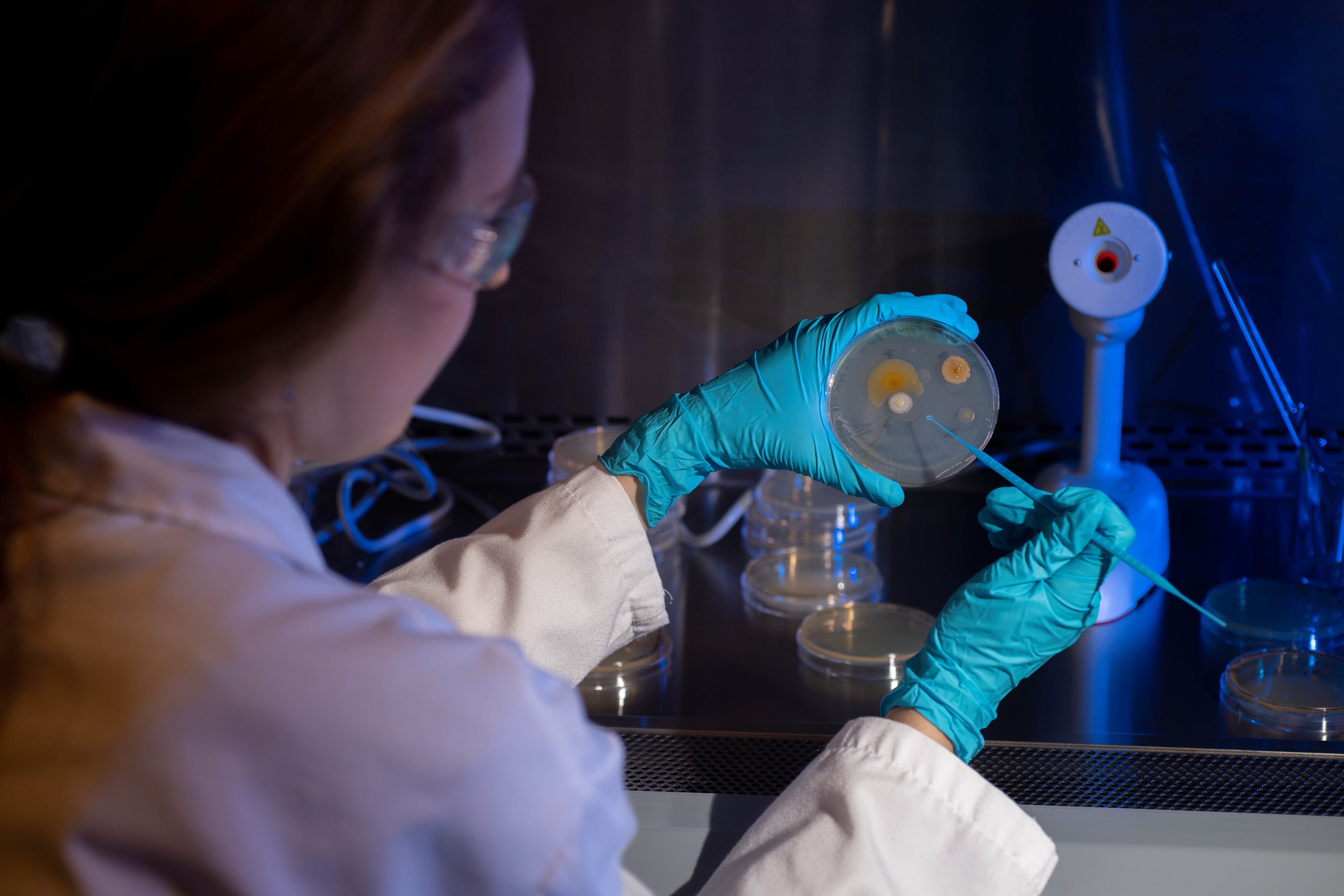
NCBiotech works with researchers and companies in the region to apply for our business funding and university research grants. Those looking for lab or office space can browse the NCBiotech list of research parks, core labs, or wet labs. NCBiotech's Life Science Intelligence team provides market research at our Wilmington office. Job seekers and employers can use the highly targeted NCBiotech Career Center. A list of all companies in Southeastern NC can be found on the Company Directory.
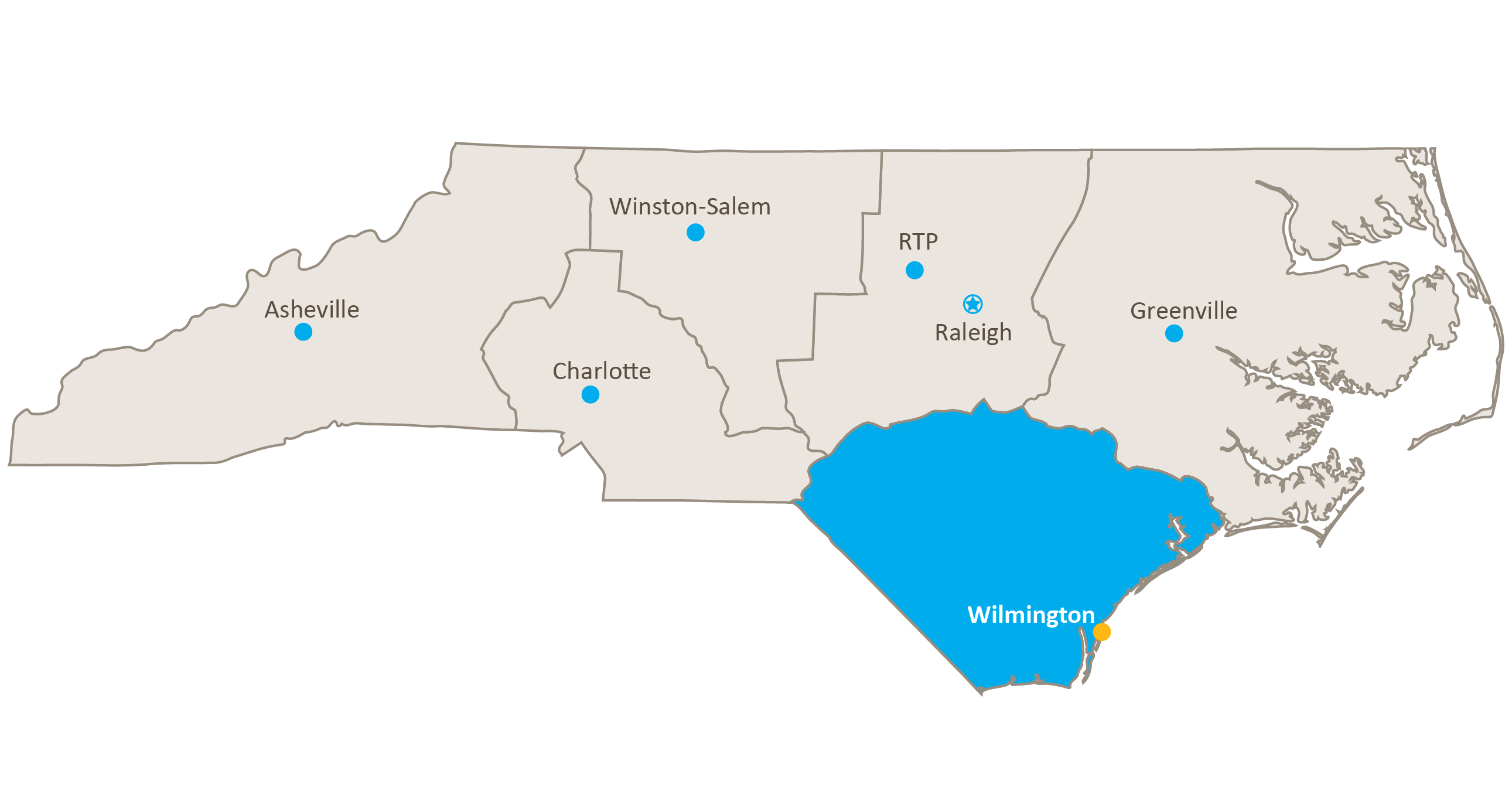
Counties: The Southeastern Region includes Bladen, Brunswick, Cumberland, Columbus, Duplin, Hoke, New Hanover, Onslow, Pender, Robeson, Sampson and Scotland counties.
Regional Population: 1.8 million
Access to multiple interstate corridors, including I-95.
- Designated as Foreign Trade Zone 214
- 650,000-square-feet of cold storage facility for farming and agriculture
- Rail service provided by CSX Transportation
$30M marine biotech research center (MARBIONC) at UNCW
Photo Credits:
Technician in lab at Pharmaceutical Product Development, Incorporated (PPD) - Courtesy of PPD
University of North Carolina Wilmington