

Biotech Industry Resources
The path to market for a life sciences company is often filled with gaps and obstacles, twists and turns that slow progress.
The team at NCBiotech helps companies navigate those obstacles. From startup to production to distribution, we have the expertise and connections to clear those obstacles more quickly and keep your company moving forward.
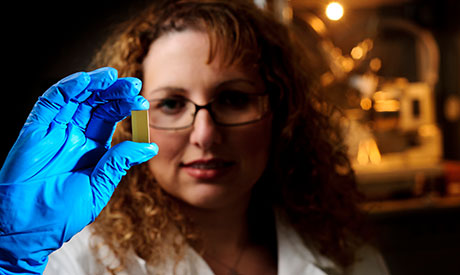
Researching a technology with an eye to starting a company?
Our Science and Technology Development team can match you with funding programs, understand IP and regulatory basics, or point you to startup resources.

Growing a startup?
In addition to its funding programs, our Emerging Company Development team works with companies to refine a business plan, perfect a pitch, or connect with investors or partners.

Want to increase your competitive advantage?
No matter your company’s phase, Life Science Intelligence at NCBiotech can help you better understand your potential markets.
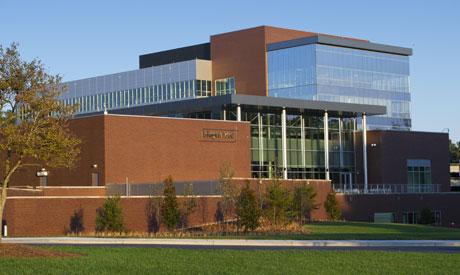
Is your company expanding?
Our Life Science Economic Development team helps to solve specialized problems – from infrastructure to talent – and clear the barriers to growth. That lets you grow in North Carolina.
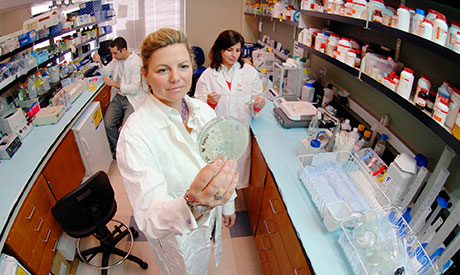
Looking for an expert?
Our BATON Referral Network includes hundreds of service providers, from accountants to writers. The network also includes executives who are willing to work part time with your company.
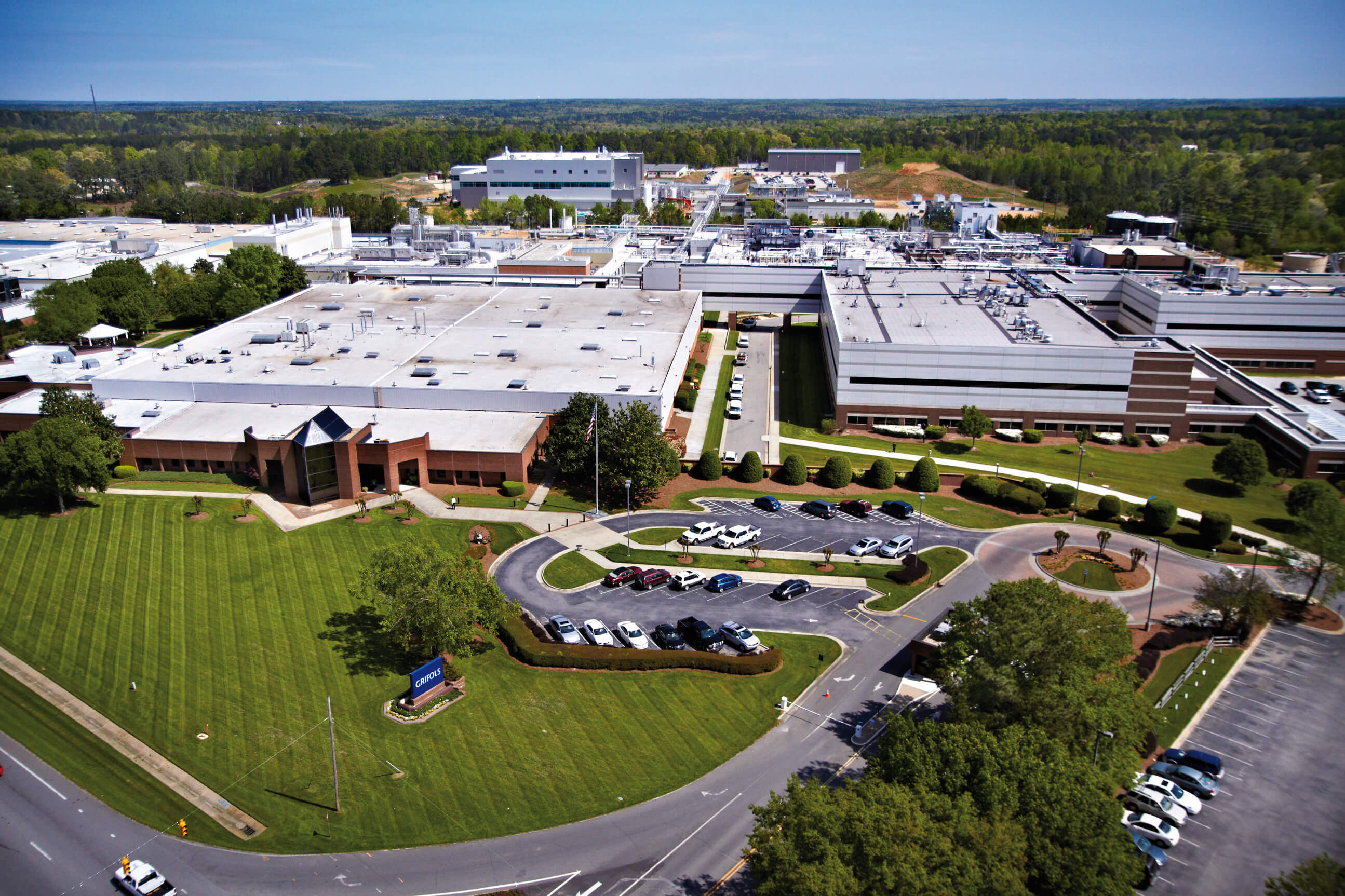
Want to know what companies are in North Carolina?
North Carolina's 830 life sciences companies along with 2,500 support and related companies boast diverse expertise. Is there a cancer vaccine company? Or one with an alternative method of making bricks? The NCBiotech Company Directory has the answers.

Core Laboratory Research Facilities
Found at university and nonprofit research institutions across the state, core labs support research in the life sciences.
Photo Credits:
UNCG Photo by Chris English
Marc Hall / NC State Communications
Courtesy of Biogen
Courtesy of University of North Carolina at Charlotte