

Life Sciences & Biotechnology Development in Greater Charlotte
Greater Charlotte is home to a robust, expanding life sciences cluster with a plethora of international firms.
Assets in the region span medtech/medical device development and manufacturing, bioinformatics, genomics, nutrition, human health, clinical research, and, increasingly, biopharma manufacturers.
NCBiotech’s Charlotte office is one of five regional offices transforming life sciences in North Carolina. NCBiotech offers a continuum of programs that translate ideas to create and support companies from inception to launch and beyond. Our Charlotte-based staff champion life sciences economic development by establishing and stewarding relationships to serve the 11 surrounding counties.
Contact
Corie Curtis
Executive Director
Greater Charlotte Office
Susan Jones
Regional Manager
Greater Charlotte Office
Phone: (704) 794-7428
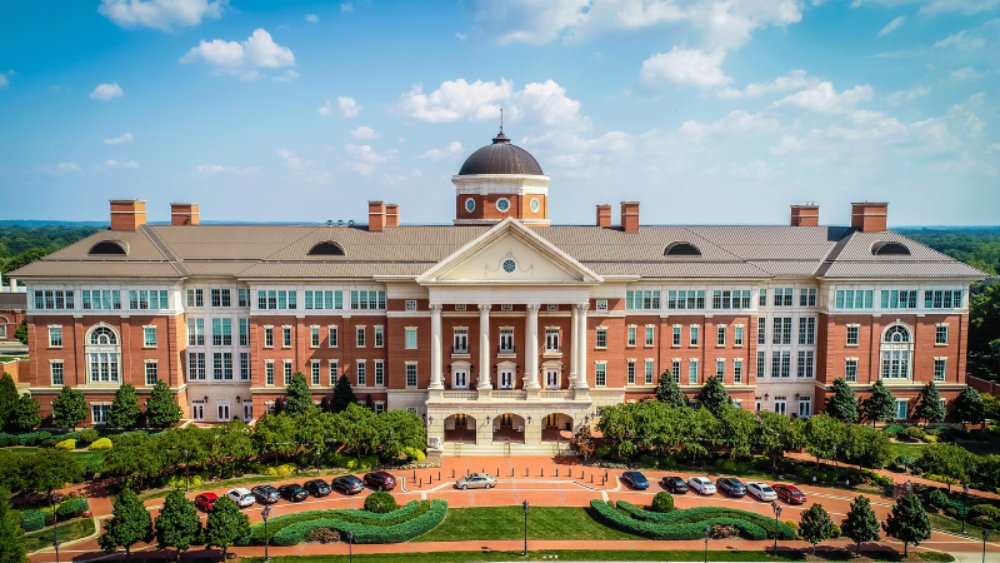
Life Sciences Community
Committed to transformational impact, our region celebrates expertise in human health, nutrition, bioinformatics, and translational research.
More than 60 life sciences companies flourish here with 400+ additional companies supporting our growing life sciences cluster. Assets in the region include Eli Lilly, Greiner Bio-One, Medical Murray, the North Carolina Research Campus, Nufabrx, and SNP Therapeutics. Company information can be accessed using NCBiotech’s company directory.
For life sciences companies exploring relocation or expansion, NCBiotech aligns with regional economic development experts to consistently deliver a world-class experience.
An advisory committee of community and life sciences leaders guides the region.
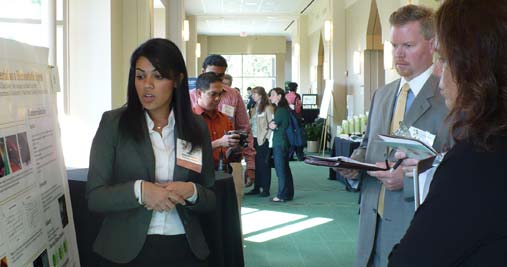
Talent & Careers
The Charlotte region’s talented, dynamic workforce is one of our most valuable resources – and it’s growing. The region employs more than 175K people in the health and life sciences sectors and an additional 145K people in advanced manufacturing. The average salary for a life science job in North Carolina is $91K, nearly twice that earned by other private-sector workers.
NCBiotech and our partners are committed to maintaining and expanding the talent pipeline for life sciences careers. Training programs, academic institutions, and support organizations collaborate to provide job seekers with pathways to opportunities.
Some of our regional resources include: Centralina Workforce Development Board, Charlotte Works, community colleges (Central Piedmont, Gaston, Rowan-Cabarrus, South Piedmont), Davidson College, Johnson C. Smith University, Livingstone College, Queens University, and UNC Charlotte.
NCBiotech’s Talent and Careers site is a nexus for accessing job openings, internships, and exploring training programs throughout the state.

Innovation
Home to a robust and growing innovation ecosystem, underscored by our learning community, the Greater Charlotte Region is flush with resources for innovators.
The entrepreneurial foundation is strong as growth continues for Cabarrus Center for Innovation, Manufacturing Solutions Center, NC Food Innovation Lab, Polymers Center, Innovate Charlotte, UNC Charlotte’s Center for Innovation and Entrepreneurship, and as we welcome the new Atrium Wake Forest School of Medicine, CIPHER (Computational Intelligence to Predict Health and Environmental Risks) at UNC Charlotte, Novant Health Innovation Nexus, the Pearl Innovation District.
NCBiotech has a long history of supporting innovation, and we encourage applications to our funding programs for university researchers and startups.
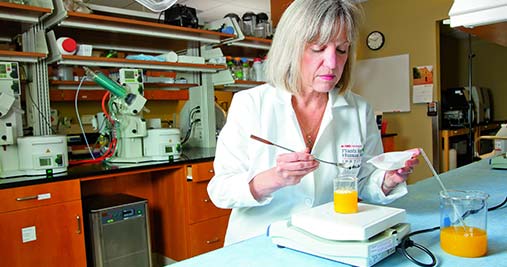
NCBiotech Resources
NCBiotech is the hub of life sciences for the Charlotte region and across the state. Our vision is to position North Carolina as a global life sciences leader, and the platform of programs and services deployed by NCBiotech support that vision.
The Charlotte Region has a vibrant network of life sciences professionals. NCBiotech’s team can assist you in engaging with our life sciences community. Whether it is genomics, ethics, venture funding, or anything in between, the Charlotte life sciences community has organized consistent events.
Four longstanding, active exchange groups routinely convene to discuss science, network, find potential partners, and create new ideas. Upcoming events are listed at the bottom of this page. Our Life Sciences Intelligence unit offers custom library and research services, a market report collection, and document delivery.
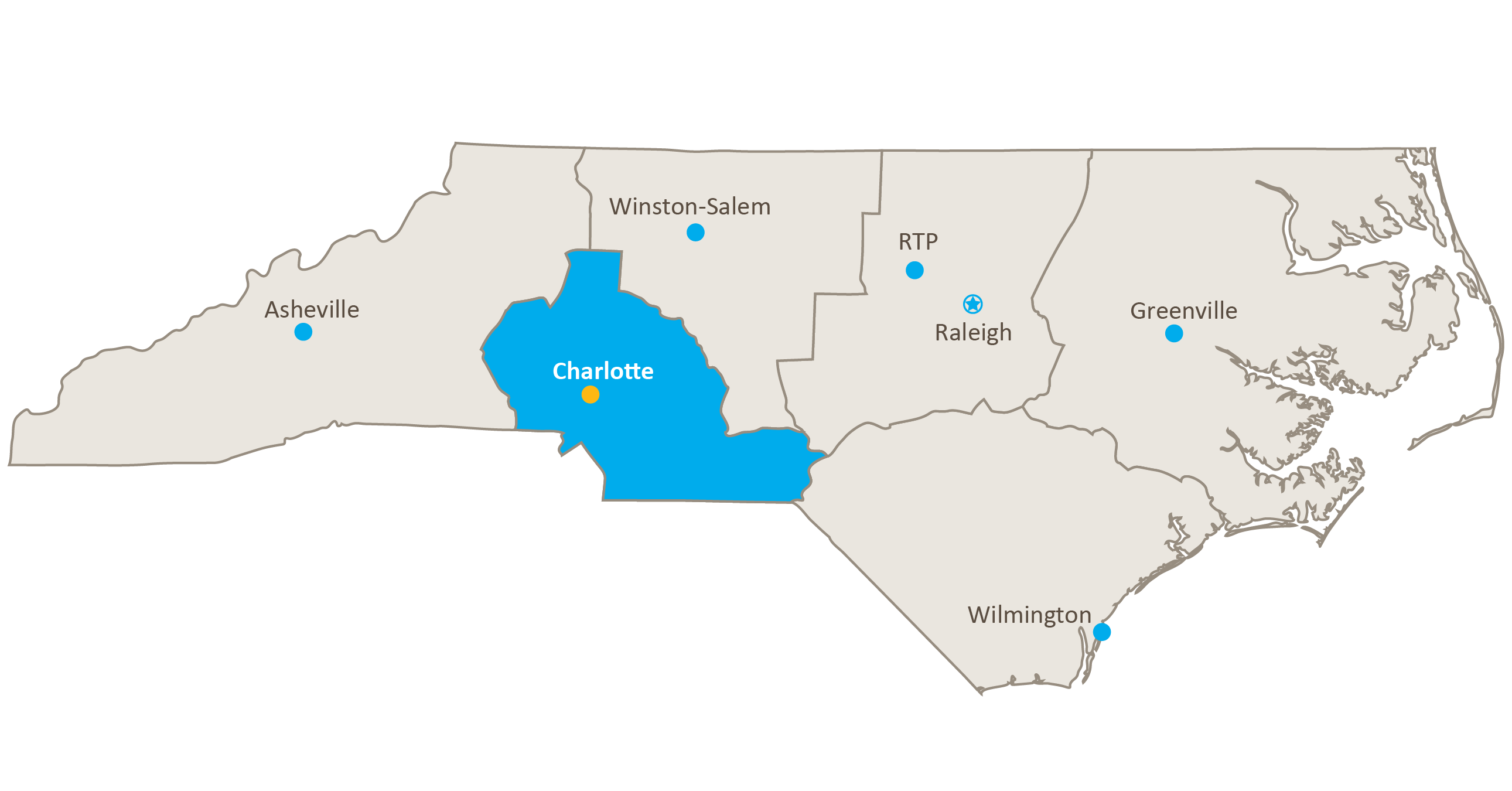
Counties – The Greater Charlotte Region includes Anson, Cabarrus, Catawba, Gaston, Iredell, Lincoln, Mecklenburg, Richmond, Rowan, Stanly, and Union counties.
- 700+ daily flights with nonstop service to 188 destinations, including 36 international destinations
- 60% of the U.S. market is accessible within a day’s drive, a regional logistics hub with sophisticated distribution infrastructure
- 3.1M people live in the region, with 18% growth since 2010 and nearly 100 people move here daily
- The region’s median age is 38
- Centrally located, with a short drive to either the mountains or the coast
- Home to the NFL’s Carolina Panthers, the NBA’s Charlotte Hornets, MLS’s Charlotte FC Soccer, PGA golf, Charlotte Knights baseball, Charlotte Checkers hockey, and NASCAR
Photo Credits:
North Carolina Research Campus - Courtesy of North Carolina Research Campus
8th Annual Charlotte Biotechnology Conference - Courtesy of North Carolina Biotechnology Center
UNC-Charlotte Informatics Lab - Courtesy of Charlotte Regional Partnership
Mary Ann Lila, Director, Plants for Human Health Institute - Courtesy of Charlotte Regional Business Alliance