
Transforming Life Sciences in North Carolina
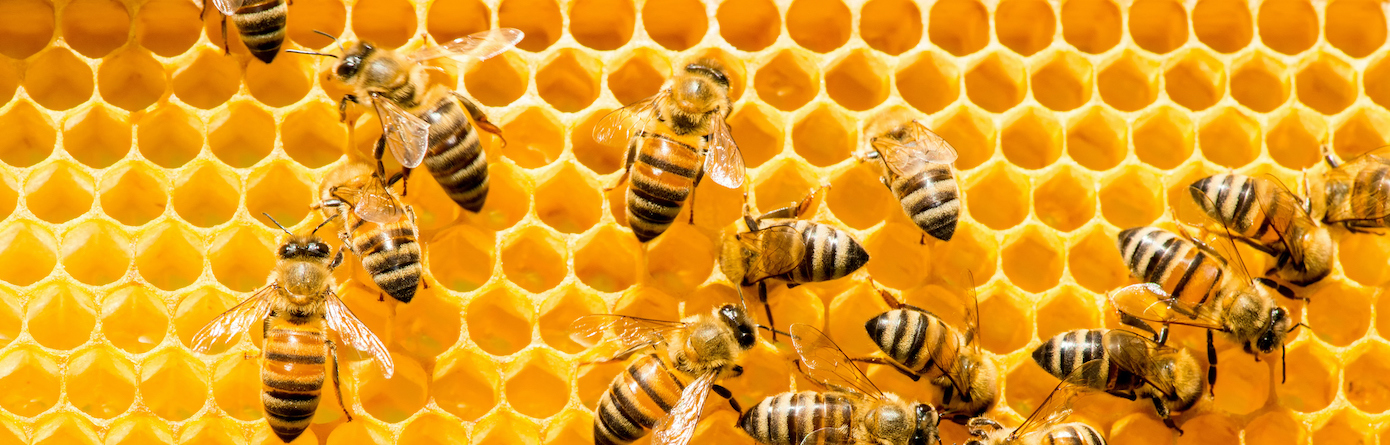
Transformation - a significant change from one form to a different, more valuable one.
Transformation is what the North Carolina Biotechnology Center does for ideas, businesses, professionals and subsectors of life sciences. NCBiotech helps technologies, companies and careers transform at every stage along the development pipeline.
Here are a few of our transformation stories:
NCBiotech bridges early-stage funding gaps
Humacyte is a clinical-stage biotechnology platform company developing universally implantable bioengineered human tissue at commercial scale. The company’s initial opportunity, a portfolio of human acellular vessels, is currently in late-stage clinical trials targeting multiple vascular applications. In 2006, NCBiotech provided a Small Business Research Loan that helped the company grow from early stage to a company that is making a global impact.
NCBiotech facilitates job connections
After 16 years as a stay-at-home mom, Deborah Carr decided to pursue a new career path through the BioWork Certificate program at Johnston County Community College. Now employed at Novo Nordisk, Deborah holds a certificate in biomanufacturing.
NCBiotech nurtures scientific talent and skills in NC
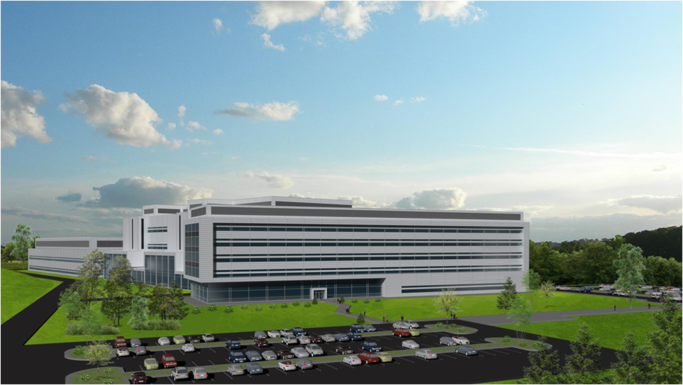
FUJIFILM Diosynth Biotechnologies is expanding in Holly Springs, NC with a $2B biomanufacturing site for large-scale cell culture manufacturing of bulk drug substance, investing at least $1.5 billion by the end of 2024. This expansion will add 725 more jobs to the region's workforce with an average salary of just under $100,000 a year. NCBiotech works with companies to help them understand the competitive landscape, available talents, and workforce development initiatives to fuel the talent pipeline.
NCBiotech grants help scale production
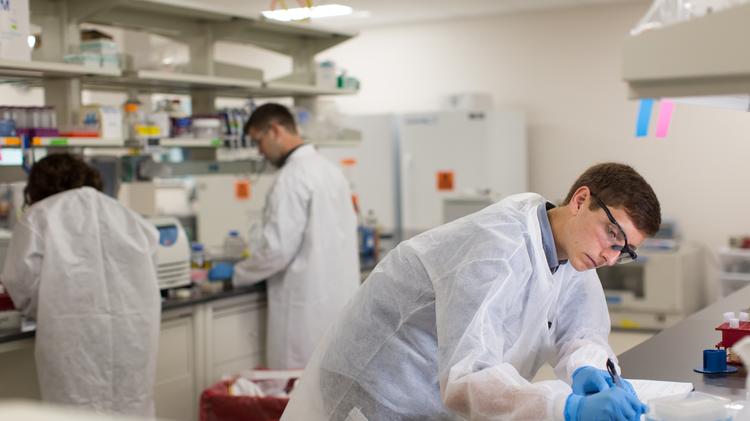
NCBiotech grants provide the gap funding needed to move ideas and inventions from the academic lab to the market. Examples include awards to Drs. Rodolphe Barrangou and Chase Beisel at North Carolina State University that led to the formation of Locus Biosciences. Locus, located in Morrisville, NC, is developing precision medicines against bacterial infections and microbiome diseases through the use of gene editing CRISPR technologies, bacteriophages, and phage therapies.
Complete the transformation

Why NC?
Find out how North Carolina can help you and your company transform.
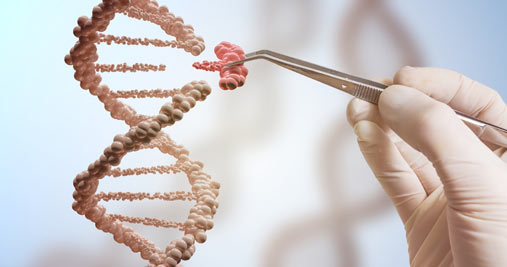
What is Biotech?
Learn the basics of this transformational science.
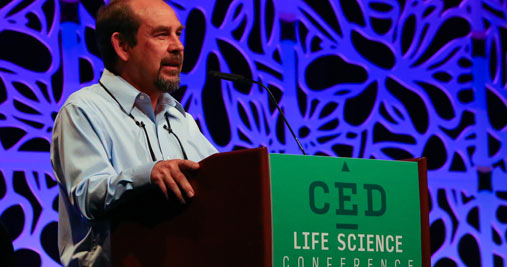
Sectors of Attention
North Carolina has diversity strengths in the life sciences. And several specific initiatives of NCBiotech seek to propel emerging sectors forward. Find out what life sciences will transform next.
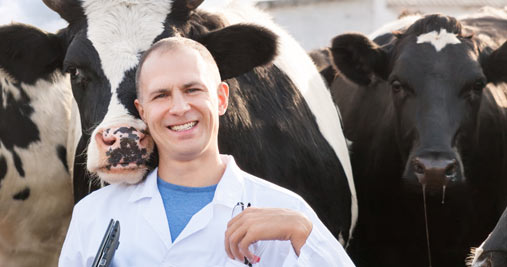
News
Read about our recent transformations across North Carolina and stay up-to-date on community news.